Teen Dating Red Flags & Coercive Control with Jas Rawlinson I Ep. 117


Love shouldn’t feel like a test you keep failing — but coercive control often starts quietly, gradually, and disguised as romance.
In this episode of the 1 in 3 Podcast, Ingrid is joined by Jas Rawlinson, coercive control educator, domestic violence awareness advocate, and creator of Red Flags 101, for a practical and eye-opening conversation about the relationship warning signs people are taught to ignore.
Together, they unpack:
• coercive control and emotional abuse
• love bombing and gaslighting
• isolation, manipulation, and guilt tactics
• sexual coercion and financial abuse
• toxic dating behaviors normalized by culture
• people-pleasing and boundary setting
• warning signs parents should watch for in teens
Jas explains how coercive control works as a gradual pattern of boundary violations that can reshape a person’s confidence, independence, and sense of reality long before physical violence occurs.
This conversation is especially important for teens, young adults, parents, survivors, and anyone learning what healthy relationships should actually feel like.
If this episode resonates with you, subscribe to the 1 in 3 Podcast, share it with someone who may need support, and leave a rating and review to help more survivors and families find these conversations.
Here are some resources from Jas!
14 Red Flags You Should Never Ignore - Jas Rawlinson (FREE resource)
Jas Rawlinson's books www.jasrawlinson.com/books
Red Flags 101 program www.jasrawlinson.com/redflags
Jas’ Links:
https://www.linkedin.com/in/jas-rawlinson/
https://www.instagram.com/jas_rawlinson/
https://www.facebook.com/jasrawlinsonauthor
https://www.tiktok.com/@jasrawlinson_advocate
1 in 3 is intended for mature audiences. Episodes contain explicit content and may be triggering to some.
If you are in the United States and need help right now, call the national domestic violence hotline at 800-799-7233 or text the word “start” to 88788.
Contact 1 in 3:
- Send your emails to 1in3podcast@gmail.com
- Follow on Facebook, Instagram, and TikTok @1in3podcast
- Check out the website https://www.1in3podcast.com/
Thank you for listening!
Cover art by Laura Swift Dahlke
Music by Tim Crowe
00:46 - Why This Talk Matters For Teens
01:34 - Meet Jazz And Red Flags 101
03:16 - How Culture Teaches Toxic Love
14:36 - Love Bombing And Fast Intensity
19:32 - Coercive Control And Why It Escalates
24:28 - Subtle Control Over Clothes And Plans
28:27 - How Gaslighting Creates Self Doubt
34:59 - The Real Work Of Boundary Setting
47:45 - What To Do When Your Gut Warns
52:06 - Signs A Loved One Is Isolated
56:45 - Books Programs And Where To Start
59:47 - Finding One Safe Person To Tell
01:01:49 - Links Reviews And Final Reminder
Hi Warriors, welcome to One in Three. I'm your host, Ingrid. This podcast often includes content for mature audiences. I mean, I even say it in the disclaimer. But today's episode is different. This one is for younger listeners. If you're a parent of a teenager, I encourage you to listen to it together, not because it's easy, but because it matters. The conversations that feel the hardest are often the most important. My guest today, Jazz, is here to share insight into recognizing red flags and setting healthy boundaries in relationships. Things most of us weren't taught at that age. My hope is this episode helps to open the door to those conversations. So let's dive in.
unknownHi Jazz, welcome to one and three.
SPEAKER_01Thank you so much for joining me today.
SPEAKER_00Thanks so much for having me on the show.
SPEAKER_01But before we get into that conversation, could you share just a little bit about yourself, please?
SPEAKER_00Sure. So I'm a coercive control and domestic violence awareness expert based in Australia. I'm also the creator of the program Red Flags 101, which is a program that focuses on the warning signs of emotional abuse that are often missed when so many of us are on the lookout for those really dangerous physical signs or things like, you know, sexual coercion and things like that. We often miss the emotional side of things. So I do a lot of education in that space and also around boundary setting. And I am also an author as well. So that's just a little bit about me.
SPEAKER_01Okay, that's a lot. You're very well-rounded. And the the Red Flags 101 is actually what got us connected. We connected on LinkedIn and I had seen an article that you had shared, which really addresses teenage dating violence and recognizing red flags. And that's one thing that I think is so incredibly important is to get the education on recognizing these signs as early as possible. So I without further ado, I'd love for you to just go ahead and start teaching us.
SPEAKER_00Sure. Um, well, let me know if there's somewhere that you want me to start. But I guess just as a bit of an introduction, as I was saying before, you know, the way so many of us have been taught to think about domestic violence, it's not wrong, but it's not the whole picture. It's just like a puzzle piece. And I mean you, you your story might be similar in that growing up, a lot of us watched these, you know, rom-coms and you know, we had our favorite music, and a lot of it was really like a lot of the stuff that we consumed in media, whether it was music or films, was really quite toxic in terms of what it was teaching us about relationships. For example, recently I was uh went back and I was making um like a millennial hit playlist, because I was making it for my birthday, and I remember listen like re-listening to some of the songs that I used to listen to as a teenager. Things, you know, like music like Jerule and stuff like that. And literally the music we were listening to were songs that were called things like Love is Pain. Um, and I remember listening to that and just being like, yeah, like just loving it. But um the messaging in so many of the pieces of um media and culture that we were consuming just taught us the the worst messages about love. And I was definitely one of those teenagers who, as we'll talk about a bit today, so many young people worldwide, even today with all the education that we have, are still finding themselves um in toxic relationships and being coerced and groomed into toxic relationships because they're doing a great job of say looking out for things like physical violence and saying, well, if anybody ever hits me, if anybody ever physically assaults me, I'm I'm straight out of there. But they don't always understand all of the little puzzle pieces that come before that, um, especially all of the red flags that make up coercive control, which I think would be really great for us to have a chat about today. Um, and that includes things like financial abuse, love bombing, gaslighting, um, sexual coercion, all those sorts of things where the person's constantly overstepping your boundaries in not in overt ways, but in little drip, drip, drip ways, like a tap, like a leaky tap. And over time it all adds up. And but but in the moment you just don't see it. And so that's why I think, you know, it's so important that we have this education, both for our young people and for parents or, you know, solo parents, especially anybody who's getting back into dating. Um, it's so important that we're aware of what these red flags look like before they escalate into, say, physical or sexual coercion and assault. And I know that personally. I mean, as I said, I was in quite a few toxic relationships when I was a uh when I was a teenager and in my early 20s, and that stemmed from growing up in a family where I was living with a perpetrator of domestic violence, and so, you know, had no idea what boundaries were. Um, I grew up learning that it wasn't safe to speak up and to say how I really felt because that was a really scary thing to do around my dad. Um, and so I learned in the ways that many, you know, victim survivors learn that it's it's safer to say nothing and it's safer to just go along and go with the flow. And that led me into lots of unhealthy relationships. And, you know, there were a lot of um traumatic, you know, things that came from that. And so that's why I'm passionate about the work I do today to try to help other people to either avoid that completely or to um stop the cycle and recognize these signs early.
SPEAKER_01Yeah, and I can I can relate to so much of what you just said. I'm a Gen X myself, and our generation, we were it's very similar to Millennials, where the the TV shows, the movies, the songs that romanticized someone pursuing you and you and and a woman, most often a woman saying no. But then it was just so dreamy for this man to keep pushing and keep pushing your boundaries. And I think that's part of what people don't understand in coercion. And is it yes? Is it really yes? If somebody has to say 10 times uh no before they say yes. As a teenager, I just assumed certain things were supposed to happen when you were dating someone. And if it was something that was uncomfortable to me, it's that's just part of the relationship. If you feel uncomfortable with what's happening, then perhaps it's not something that should be happening. And I will also say I was a person in my 20s that I would look at these abusive relationships or hear about these abusive relationships and say, I would never be the woman who would tolerate that in a relationship. And I I did. I am a survivor of a violent relationship because it didn't start out that way.
SPEAKER_00I've talked about this as well. I've never heard, and I'm sure they can always be the exception to the rule, but I've never heard anyone ever share about a story where or their personal experience where the relationship started out with extreme violence. Because why would you ever stay? You know, what why would you ever feel sorry for that person? How could they ever guilt trip you into staying if they started out by, you know, hitting you from the very beginning? So it never starts that way. And that's why we can miss the signs. And I think it's really important to say that when educators like myself talk about um, you know, uh, whether it's our own experiences, like sometimes I've talked about as a young person who had no idea about boundaries or anything like that, I've I would often gravitate towards relationships and people that felt familiar but were not healthy. And when we talk about that, we're not putting, we're not placing blame on the victim and saying, oh, well, they they gravitated to it, so therefore, like they somehow caused this. It's just that some of us have inherent vulnerabilities, whether that's being neurodivergent. For example, there are studies now that have shown that up to 90% of autistic girls and women have experienced sexual violence, um, which is just horrifying. So there are unique vulnerabilities that many of us experience, whether it is neurodivergency or whether it is having a history of childhood trauma or growing up in an abusive home, those things can make us more vulnerable in the way that we may initially either not understand those red flags or we may see them as familiar because that's what we've grown up with. So therefore, we don't feel the danger. Our nervous system already feels, I don't know whether it's right to say at ease, but our nervous system sees that and goes, oh, that's familiar. I know what that is. So it's not sending up the red flags for us. It's not sending up danger signals. And so it's really important that we are educating, especially our young people from as early as possible to know that your no means no. And just because somebody's asked 10 times, like you were saying, and then you you finally feel pressured to say yes, that's not a real yes. Um, it needs to be a full-bodied yes from the beginning. Um, so all of these things are this this education piece is so important. And boundary setting is a big piece of that education part as well, because it's one thing to know what the red flags are and learn how to spot them. But if we don't feel comfortable saying no, then we can find ourselves in the same kinds of situations over and over, even when we don't want to, simply because we we haven't learned yet how to um, I guess, how to heal that people-pleasing part of ourselves in in order to really say what we want to say and feel safe and comfortable to do so.
SPEAKER_01Right. And that's so difficult when you're a teenager just getting into the the dating field because you want to be likes your parents are dating, and maybe there's that good-looking person that you're interested in, and you want their attention. And so you might say, Okay, I don't really like this, but I really like him or her, and I really want them to like me back. So I'm going to go ahead and go along with whatever this is. Anything that puts you out of your comfort is is just it's not okay.
Love Bombing And Fast Intensity
Coercive Control And Why It Escalates
SPEAKER_00Yeah. Yeah. And it can look like um, you know, those those those partners or those people we date that come in really strong from the get-go, which is really, really common in love bombing. So they'll, you know, they they just put you on a pedestal basically from the beginning. They're you're the best person in the world. They've never met anyone like you. I was listening to a survivor recently and she shared about how um when she's uh when she sees friends of hers who may be getting into a relationship with someone who's love bombing, she says, Hey, I know that you're a wonderful person because I've known you for like 10 years or 15 years, but that person's only known you for a couple of weeks. They don't know yet that the truly wonderful, amazing person that you are. They don't know all the things about you that make you a really incredible person. So it's actually not normal for them to be just like this full-on and telling you like you're the center of their world and they've never met anyone like you, because how could they know that yet? So that's a really effective way of learning um to spot these kinds of people. There's another example that I often give when I'm speaking in high schools, which is looking at celebrity relationships around us and learning to educate ourselves through them. So we look at somebody like Megan Fox and Machine Gun Kelly, like on and off relationship over the years. And I have to say, unfortunately, because I do feel that way, they now have a child together, which I think is, you know, kind of unfortunate given the dynamic of their relationships. But if you look back to the very beginning, that relationship was just like full steam ahead from the beginning. Um, in interviews, they talk about how they're each other's twin flames. And, you know, she talked about him in terms of being like a forest fire that was so overpowering and all-consuming that you know, you had, I think her words were something like, you have no choice but to fully surrender and basically let it consume you. And I was like, Oh girl, that's not that's not that's not the thing that you think it is. You ran away from a forest fire. You don't stand there and let it burn you to death. But we we saw that in the beginning, and then of course, it wasn't that long before they were engaged, and then of course, we saw the the engagement ring that he gave her, which had little thorns embedded on the inside. So if she ever tried to take it off, it would literally rip her skin. So it'd literally scar her. And that's a just a really good example that I give actually in both um my keynotes for for adults as well as um young people. And it's a really good one for like any parents out there to share with their teens, um, especially since all of them know who Machine Gun Kelly and Megan Fox are. Like when I go to schools and I say, who recognizes these celebs? Everybody knows. Um, but it's things like that, you know, that love bombing, that coming on super strong. Uh, another example is when we saw Kanye West dating Julia Fox, another Fox. And I think it was their second date. He gave her$100,000 worth of clothes just in a wardrobe, hanging up for her to choose from. And she was, you know, her initial reaction was probably like the reaction many of us would have like, oh my God, who does that? How romantic. Like, I've never had somebody do that for me before. It's so extravagant. I feel so special. But again, that is not a normal thing to do in any relationship, whether you're buying somebody a thousand dollars of clothes or a hundred thousand dollars of clothes. It's not a normal thing to do from the get-go. And the the reason that a love bomber does these kinds of things, as as you would know, Ingrid, is that they want to bond you to them as quickly as possible. And that way, anytime they do something wrong, well, they can just love bomb you to make it go away. They'll just excessive, you know, they'll they'll tell you you're the most special person in the world, they've never met anyone like you, um, they'll give you lots of gifts. But it's all usually quite superficial. So when you really look at it, um, and even if you look at the way that they behave in relationships around them with friends or family, you might start to see that they're often quite superficial in terms of their um their love, the the love that they give people. So that's a really big one to look out for is that love bombing, um, because that often escalates over time into coercive control, which is um the most dangerous form of domestic violence prior to homicide. Um, I'm not sure off the top of my head of the stats in America, but um, here in Australia, we had a horrific um homicide that occurred a couple of years ago. A Queensland woman named Hannah Clark and her three children. I won't go into details, but they were murdered by um the children's father and her ex-husband. And what came out of investigations into what led up to that was that um her parents ended up starting the Small Steps for Hannah Foundation to help other victims so that hopefully no one else has to go through what their family did. But I remember Hannah's father saying that in the first six months after leaving, the risk of homicide was something like 90%. And even when we look at independent studies, even if we were to say, hey, we is it really 90%? When we look at research, it states that coercive control is the biggest predictor of future homicide. Well, coercive control is the use of threats, intimidation, or psychological abuse and manipulation to essentially control a person. And it doesn't have to be, um, it's not always about romantic relationships. We see it in families, we especially see it in cults. Cults just thrive on coercive control and love bombing, which is part of that. Um, so you can see it in any kind of relationship really. But the it's so insidious because people, again, they they don't often recognize all those little drip-drip-drips that are happening in the beginning until it escalates to really severe abuse. Um, but that involves, as I said, love bombing is a classic sign of that. Financial abuse is another one. So we see people who can't control their own finances. You know, you might have somebody who, and and let's, you know, I'll be clear that coercive control happens to both men and women. It can happen to anybody, and anybody can be a perpetrator and anybody can be a victim. But as an example, in say, you know, a relationship with a woman and a man, we'll often see where a woman, even today, might not have her own bank account. She might only have either a joint bank account or a bank account that's in her partner's name. And that leaves women especially very, very vulnerable to abuse. Because if you don't have your own way of making money, as Judge Judy's said before, you know, a woman should always have her own way of making money. Because if you don't, it does leave you very vulnerable if you are in a situation with abuse. Um, and so we'll see the person who's a perpetrator withholding funds or saying, well, you know, here's some money for this week, and literally giving them cash, controlling how much they spend. And of course, that makes it really hard for somebody to get out of an abusive relationship if they don't have access to their own money. Um, and I've sadly heard of many examples of this even today, of people who've not been able to access their own money, and that makes things so incredibly hard. Um, in terms of men as well, um, there's an example I often share in my keynotes of a young man called Alex Skeel, I think his last name was Alex Skeele from the UK.
SPEAKER_01Yes, I actually did an episode on everything, yeah.
SPEAKER_00Yes, so people will probably be familiar with that, but if not, you know, he he experienced really severe coercive control and was lucky to walk away with his life. Um, his girlfriend, and I think who became his wife, was the perpetrator in that relationship and went to jail for was it seven and a half years? I think.
unknownI think so.
SPEAKER_00Something like that. Yeah. Which also made it really hard for him to leave. And he talked about how in that relationship it started off with her controlling what he wore and telling him how she liked him to do his hair, and then it progressed to um keeping tabs on his social media and like having access to his passwords so she could see everything he was doing. And that's all those are all classic signs of coercive control. So, I mean, there's lots more we can talk about there, but I mean, just to sort of talk about the the risk of that. Um, and again, we only have to look to cases like Gabby Petito to understand how dangerous coercive control really is. And that's why, again, it's really important that we're educating our entire communities from our young people to families, grandparents, aunties and uncles, teachers, you know, it's so important that our teachers understand this as well.
SPEAKER_01Yeah, and I wanted to I actually took a note to mention clothing because again, it can seem very romantic for somebody to fill up your wardrobe. But then there's also the thought of what is a compliment? What is a friendly suggestion on what to wear, and what is somebody taking control of your wardrobe? Of like in Alex's case, your hair has to be there. This way, you have to wear this. And if somebody comes up to you and says, I don't like what you're wearing, you have to wear this if you want to be with me. So I suppose that probably can happen. But it's usually something more subtle, like, you know what? I really like this color on you better, or I like that cut of shirt, pants, skirt, whatever, on you better than what you wear were wearing. And it's that's what's so scary about coercive control, is it's so sneaky, and you have you don't necessarily see it happening.
SPEAKER_00And it's really difficult with things like that, especially for maybe our younger people to understand, because it it can be completely normal in a relationship to just share with your partner, like, oh, hey, I love it when you wear blue. It really like it makes your eyes pop, or you look really good in this. It's not to say that it's it's wrong or it's bad or it's coercive control to say those things, but it's about the intent behind it. And I think what's really helpful is to look at what your partner does if you don't do that. So if you don't wear that color that they're like, oh, I actually really like it when you wear a long skirt instead of a short skirt, or I really like it when you wear this particular shirt, or you keep your hair like this instead of this. If you don't do that, what's their reaction? Like, can you sense the displeasure with you? Like, can do they make life difficult for you? Which is what um narcissists and coercive controllers will often do. They'll just make life so uncomfortable, so difficult for you, that you're like, oh gosh, I can't stand this feeling. Like it's just easier to why don't I just do what they said? Um, because then I can keep the peace. They're happier, you know, they're not upset with me. It seems like they're, you know, they're really disappointed in me now because I didn't listen to their advice. So like, how do they respond if you don't do everything that they tell you to do?
SPEAKER_01That's right. And then another thing they like to do is isolate. Isolate you from friends, isolate you from family. It doesn't necessarily mean physical isolation where they're picking you up and moving. It can be, that can be it, but it could be something like, oh, you're going out with your girlfriends tonight. I was hoping maybe we would just stay in. That could actually also be a romantic gesture, and that could be okay. But if it's so we planned this, the girls and I have been planning this for a month, and I really want to go and again engage their reaction. And the pattern is it happening over and over and over again? Are your plans slowly getting cancelled every single time you make plans?
How Gaslighting Creates Self Doubt
SPEAKER_00Yep. Yeah, it reminds me of um a relationship I was in when I was 20, 21, or yeah, 1920. Um, and I thought this guy was amazing from the beginning. But when I look back, I see that yeah, there were warning signs in the beginning. And it reminded me of something you just said because there was one night where he called me up, and it was it was fairly like it was probably after seven. He asked me if I'd come into town and visit him. And at the moment at the time, I was like, Yeah, sure, like I'd love to. But then by whatever time it was, I was like, you know what? I'm I'm actually exhausted. And we live down in the country, right? So it wasn't like I was just nipping around town. I was like, oh, it's gonna take me like around half an hour to get there, and I'm actually just exhausted. And so I called him and said, Oh, look, sorry, it's like whatever it was, after eight or something. And I was pretty young. I was uh I was used to going out late, but that particular day I was just exhausted. And I was like, you know what, I'm really sorry, but um, I just I'm really tired tonight. And also, like, I've got to watch, you know, I was I was young, so I was like, I've got to watch my petrol, haven't got a lot of petrol left. Um, so like, can we can we catch up like tomorrow or something? And he was just so, so disappointed in me. And his response was, you don't make a promise and go back on it. Like you promised, you don't do that. And I remember thinking, wow, what a bad person I am. Like how I'm so bad, like what a horrible person. And that's how they get you. Because in that situation, a green flag would have been for your partner or your the person you're dating to be like, oh, no problems, like completely understand. Like, I hope you get a really good sleep tonight. When do you want to catch up next? That would be a green flag.
unknownExactly.
SPEAKER_00Not guilt tripping you, which is what he did. And unfortunately, I did I did continue to um be in that relationship on and off for about 18 months. And unfortunately, it wasn't until um it ended in sexual assault that I was able to go right. I need to get away from this person. But even then, even then, I still had that self-doubt because of everything that had come beforehand. It wasn't just one incident, otherwise, I would have just walked away. But because of all of the self-doubt that had been sown and all of the gaslighting, and you're overreacting, you know, this isn't a big deal. And even when the sexual assault occurred, you know, there was a lot of gaslighting. I asked him about what had just like what had happened, because I was in such a state of disbelief that I kind of was like, did that really happen last night? And his response was, oh, don't even worry about it. Oh, you're so cute. Don't even worry about it. But then he'd switch to being like, oh, you can't remember what happened. Oh, don't worry. And was just completely gaslighting me, which if anybody's not familiar, it's where they they make you doubt you're they make you doubt the reality of what's actually happened. So they'll tell you you're crazy, they'll tell you you're overreacting, they'll tell you, you made me do this, you know, you you egged me on and made this happen. I, you know, I wouldn't have done this if it wasn't for you. And so it, yeah, it's it's really difficult when you're in it to see it. And that's why I always say I never put any blame on people who find, you know, themselves in these situations or where they've had these life experiences, because it's really difficult when you've been around somebody for a long time who's very slowly and subtly love-bombing you or isolating you, or doing little tiny controlling things, which at the beginning you might think, oh, that's that they're just a bit particular about how they do things, or they get a bit anxious about these things. But it's not, it's it's actually abuse.
SPEAKER_01It is. And I want, I'm glad you you brought that up too, because I want anyone who's listening, especially actually not even especially, just anyone who's listening that has found themselves in a relationship, an abusive relationship, to not blame themselves. We uh we have, you and I have been there, and so many people have been there, and it's not it has nothing to do with you, it has nothing to do with you're not smart enough, or you weren't savvy enough, or you should have recognized it earlier, uh, you didn't leave soon enough. Because I look back at all of the red flags that were there when I started dating my abuser, and I am telling you, I wrapped up in those red flags like it was a blanket to keep me crazy, and it's I can somewhat laugh about it now because some of them were so obvious, and I was just not sure how how it wasn't something that sent me running. But I'm not going to blame myself for this. This is something that these abusers are good at, they know how to manipulate. They they have been doing this, they plan it out, they will they test it out on everyone. And if it doesn't work, that's fine, they'll move on to the next person. But it's it has nothing to do with you letting it happen.
The Real Work Of Boundary Setting
SPEAKER_00And it can happen to, as I said before, anyone can be a perpetrator and anyone can be a victim, and doesn't matter how financially well off you are or aren't, and it doesn't matter what culture you come from or how you identify, there's there's nothing that makes a certain person completely invincible from coming across one of these people. However, as we learn to, as I said earlier, really connect with why we're people pleasing and how we can stop that and how we can start setting boundaries for ourselves. That's how we can then disrupt that and and hopefully limit the amount of people we come into contact like that. Because there's no um, you know, there's there's no guarantee you're not going to come across someone like this, say in your workplace, or you might be co-parenting with someone who's a narcissist, and you can't have, you know, you can't completely avoid that person. But by learning to set boundaries, we can at least limit our exposure or the reaction that we have to some of these people or how much they impact us. Um, you know, and I want to be mindful again to say, as I just mentioned, that um everyone's situation is different. So some people might be listening and they're like, hey, I would love to just set all these boundaries with my ex that I have to co-parent with, but I'm not able to do that. So you just have to do what you can with what you're currently going through. Um, but the boundary setting is a big piece of it. And you know, when I teach, um, when I teach in schools, when I teach in communities or workplaces, um, one thing I'll say is that it's really important to understand what is driving our need to say yes. Because it's really hard to set boundaries if you don't understand that piece first. Because it's like, sure, I'm I have a really hard time setting boundaries. Okay, why is that? Um, I don't know. I just I like to keep people happy. It's like, okay, well, why is that? If you go deeper, like what's driving your need to say yes when you want to say no? What's driving you to be that person that's always, you know, picking up the pieces for everyone in your life while you burn out and never have time for the things that are important in your life because, you know, you're trying to help everyone around you. So we it's really good to get, you know, to find a place where you can be still with yourself, maybe do some journaling and just reflect on, you know, why do I say yes when I really want to say no with this particular person? So make it make it personalized. So it might be, hey, I've got a parent that calls me all the time, like all through the day, and they get really upset with me if I don't answer all the time. And so you might find yourself always picking up the phone and being their personal therapist and fixing everything for them. And, you know, you may have grown up with the mantra which so many of us have of, well, you know, blood is thicker than water and family is everything, and you you you don't ever go back on your family, or you don't ever say no to your family. And so that might make it really hard. But if you sit with yourself, what is the emotion that comes up when you think about saying no to that person or not picking up their call or saying to them, hey, it's actually a bit easier if maybe you text me, like it's easier for me to get back to you. Could you do that rather than calling me through the day? Is it fear that you feel, or is it just like a discomfort? Is it anxiety? Like, what is it you feel? And then once you identify that, it can be really helpful to then ask yourself, what do I think is like the worst case scenario that's going to happen if I put that boundary out where I say, hey, um like just I'm not able to answer the phone all through the day, but maybe if you give me a text or hey, can we do like a um can we do a phone catch up, say, on Saturdays each week or something like that? And and think about like what is the worst case scenario that you think might happen? Because often it's like it's interesting, but often we don't even ask ourselves that. We just in our heads go, oh, this is I can't do this. Like it's just easier to make them happy and do the thing. And there's lots of different examples, but I I think there's probably a lot of people out there who might have some strained relationships with family, or um, they have a family member that's maybe difficult to deal with. And that's a common one of uh that I've heard from people is the family member that's just always wanting you to pick up the pieces and fix everything for them. So, worst case scenario, I mean, it again is going to be different for everyone, but for some of us, it might just be that that person's really angry with us and really unhappy. And we have to be willing to allow that to happen in order to um protect our own time and energy and to have the the healthiest, most joy-filled, um, thriving life that we can possibly have. Like people will be upset with you when you set boundaries. But if they're upset with you for setting a boundary that is protecting you or making your life healthier, then they're the problem, not you. So that's a really good one to go by.
SPEAKER_01Yes, and I'm so glad you went into detail about boundaries because boundary setting is important in intimate partner relationships, family dynamics, work dynamics, every any kind of relationship that you're in is very important. And I'm also glad that you went into detail because 49-year-old version of me, I'm very well aware of what I feel comfortable with, and I know how to set boundaries and I know where I can draw those boundaries and what feels okay to me. But teenage version of me had no idea what a boundary even was, or I don't think I even would have recognized if something was uncomfortable to me until I was really, really, really uncomfortable feeling that I was in a situation where I couldn't do anything about it anyway.
SPEAKER_00Yeah, that's super common. I mean, I I'm I'm like older millennial, like closer to Gen X, I'd say. Um, and I feel very much the same. Like it would be that you'd you'd have to be like in the boiling pot, so to speak, before you said anything. Not when you got put in the pot or the pot started to warm up a little bit. It's like, no, wait till it's boiling hot before I say anything. And and yeah, I mean, that's the common story of so many of us. We just weren't taught how to speak up.
SPEAKER_01And I think that the the generation out there now, the the young adults and the teenagers, I think they are at they have this benefit because we are talking about red flags and boundaries, and this these topics are coming up. When we were kids, I I don't think anyone cared what we felt in in terms of red flags or boundaries. I don't think red flags was even internal until recently. But uh so I I do feel that they already have this awareness that we didn't even it was almost like we didn't even have permission to be aware back then of yeah, anything that made you feel uncomfortable.
SPEAKER_00Yeah, I think the only uh awareness I ever have of anything to do with domestic violence was if you saw something in a movie about a woman being hit, you're like, oh, okay, that's domestic violence. And so that's why I didn't recognize what was going on in our home for a long time, because it was very rare for there to be any physical violence. It was mostly the isolation, the control, the financial abuse, um, all of those things, you know, even down to really things that might sound bizarre. For example, my dad would take the batteries out of the computer mouse so that we we couldn't even use the computer unless he wanted us to. Or he would hide the car keys so that we couldn't go out unless he had, you know, approved of where we were going, or he might often drive the car and then drop us off somewhere. And I remember once he dropped my mum, me, and my 11 or 12-year-old friend from school, he dropped us off at a video store back when we had video stores, and he was just meant to be going to do the shopping or something and then coming back. And instead, I think we sat there for hours. And I remember my friend and I from school sitting at this little plastic table that was meant for toddlers with colouring paper and pens and pencils, and we were just sitting at this toddler's table, just colouring in like colouring book stuff that had been left there, because we were like, okay, I don't know when we're getting home. Sorry, I don't know when we're going to get back to mine and we can hang out. Um, and that was so embarrassing, like as somebody who was, yeah, in year five or six of school. But those little things, I didn't recognize that that was coercive control because we didn't even have the term coercive control. I just thought my dad's a jerk, um, my dad's a horrible person, and everything has to be his way. Um, but I didn't have the language for it, which thankfully today kids do have the language for it, although sometimes they they still struggle to understand some of the nuances, particularly with something like gaslighting. Um, when I speak to students, I say, now, here's a tip: when someone's gaslighting you, it's not them just saying something you disagree with and saying it really loudly and unapologetically. People are like, oh, stop gaslighting me. And I'm like, that's actually not gaslighting. They just have a different opinion to you. But gaslighting is where they're actually trying to psychologically manipulate you into thinking that something never happened or that you were actually the bad person in that situation. And they might say things like, Oh, everyone agrees with me. So they'll pull other people into it and be like, Oh, you know, Jessica saw you as well, or like Matthew saw you as well, and they said that you were a horrible person too. They said that you were like, you know, you pushed your way into the situation, no one wanted you there. You just like manipulated everyone to get yourself an invitation to hang out with everyone. They'll make, they'll make it out so it's like not just them that's gaslighting you. It's like, oh, everyone agrees with me. So it's not me, it's you. And so all these things are just yeah, there's nuances to it. And it's really important to understand, like we were talking about earlier, with the clothing situation. Like, what what is just a healthy, normal relationship with a friend or a partner who's telling you what what you actually look good in in terms of like clothing styles? And what is somebody who's coercively controlling you and trying to dictate what you can wear and where you can go and who you can see and all those sorts of things.
SPEAKER_01And I think it's super important to be in tune with your gut. And because your your gut is telling you, and and it may not be butterflies, love you butterflies that your gut is feeling that you're trying to say, oh no, I think that this just means I really like this person. It might be warning signs and it might be telling you to take a step back. And uh I also like that you brought up using terms because you don't necessarily have to put a name or a label on something for it to be recognized as a bad thing. You don't have to say that's a red flag before you take a step back and say, I I don't like what's happening, I'm going to back away.
SPEAKER_00Yeah. Yes, there's this YouTube channel I love watching, and the guy's name is James Rush, and he does a lot of videos on uh toxic relationships, especially on reality TV shows. And whenever I whenever I'm talking to parents and they're like, oh, I need more resources to talk to, you know, my young person about this, I'm like, hey, just look for look for things in the media that give you, you know, a bit of a common base to, you know, they give you some things to talk about as your teen, but also look for, I hate to say it, but reality TV shows, even though I don't wouldn't personally recommend spending all your time watching them, but they do give us amazing talking points and examples of what toxic relationships look like. And I remember this guy, James Rush, he does a lot of videos on, say, 90-day fiance, um, Love is Blind, and I think it might have been one of the episodes of Love is Blind, let's just say it was one of those. And there was a guy who was, yeah, he was really toxic. But when they were in the pods talking to each other, and if you don't know, Love is Blind is a show where people meet each other and get married without ever seeing the other person. So they're in these pods and they talk through the wall to each other. And this guy was just saying things that intuitively the woman was feeling really uncomfortable about. She was sensing that he wasn't authentic, that he was putting on a show, that he was um trying to love bomb her. And she said at one point, I don't like that. I don't, I don't like what you just did. And I was like, Yes. This is what we need to see more of. We need to be educating, you know, both women, men, everybody, no matter how they identify, to recognize and tune into what our gut is telling us. Um, to be able to know when we feel uncomfortable and to be able to go, I don't like that, and voice it early. Um, I thought that was really, really cool to see that.
What To Do When Your Gut Warns
SPEAKER_01So, what would you do, or what would you recommend for listeners, especially the young listeners, if they find themselves in a situation where they think they might be uncomfortable with what's happening, but they're torn because everyone thinks this is maybe the they're the best couple that should be together, or they they're trying to convince themselves more or less that this is the person they really want to be with. What are steps that they can do once they find themselves in that kind of a situation?
SPEAKER_00So, firstly, always listening to your gut. You know, our intuition is almost never wrong. And if we we know how to listen to those feelings, it's always telling us something for a reason. So if you feel just I guess this baseline, like if you you sort of tune into how you feel inside, it may not feel like those butterflies going off all the time, but you may just feel this inherent resistance about something. It might be, oh, I just, I don't know, I feel resistant in some way to like their, you know, their energy or like the way that they speak to me or something that they do. Maybe they maybe you get the ick with certain things, but everybody else is telling you, oh no, this person's amazing. Like you would be so lucky to be with them. It doesn't actually matter what other people think when it comes to your, you know, especially intimate relationships. Now there is a caveat to that. Like it does matter if people are voicing concern for you because they're concerned that that you're in an unhealthy situation. But when it comes to like other people wanting things for you, like they want you to be with this person, it doesn't actually matter. And that person might actually be a great person, but they might not be the right fit for you. If you ever feel pressured into something, it's important to take a step back and just spend time with yourself really understanding and diving deeper until you can understand, I should say, what that resistance is or why you feel a bit off about it. So take a step back and just let yourself really dive deeper into what it is that you're feeling and maybe why that's coming up. Journaling is a really, really powerful way to do that, whether you do it in an actual book or on notes in your phone or whatever it may be. Um, and also find somebody who you trust who has really good insight. Might be a teacher at your school, it might be a counselor, it might be you might have a really good relationship, hopefully, with someone in your family that is a trustworthy person that you can talk to about that. Um and again, say to them, hey, I'm feeling a bit off about these things. What do you think about this? Um, I recommend doing that. But as I said, never feel pressured that you know you should be with someone just because other people think you should. There was a young man that came up to me once at a high school gig and he said, I'm having a really hard time distinguishing whether what I'm experiencing is bullying or coercive control of what it is. And in his particular situation, his friends were all peer pressuring him to, yeah, exactly what you're talking about, date a certain girl, be with certain girls. And he didn't want to. And I said, look, that's not the way he described it. I said, I don't, I wouldn't characterize that as say bullying, but it it does fit into peer pressure. And at the end of the day, it doesn't matter who they want you to date. It only matters who you want to date or who you're interested in. So learn to just say, hey, like they're not really my vibe, or you know, I'm not really that's not really, you know, I'm not really that interested, but you know, that that's cool. That's cool. Maybe you want to date them. Maybe you want to go date them instead. Um but always listen to your intuition because it's always trying to tell you something, and the the easiest way to connect with it is just to get still and to spend time reflecting in a quiet place away from social media or away from our phones and and tune into what it's actually trying to tell you.
SPEAKER_01And so on the flip side, and with the hopes of perhaps teenagers are listening to this episode with family members or even young adults listening with other young adults, what do you what can you say are potential signs that maybe your child or your friend or your loved one is in a relationship that's not healthy for them?
Signs A Loved One Is Isolated
SPEAKER_00Well, first of all, if they if you notice that that young person, especially if we're talking about teenagers, is becoming more and more isolated, if they just don't seem like themselves or you know, they're not interested in things anymore that that used to really excite them. Maybe they don't really want to spend time doing their hobbies anymore or sports. They're not hanging out with their friends. And if hopefully if they had really good friends, if you notice that they're not spending time with those people who were healthy for them and they're all wrapped up with this one particular person, no, that's a pretty big warning sign. It doesn't mean that there's abuse going on, but you you need to really find out what's going on and pay attention, ask them about that relationship, spend time finding out more about it so that you can find out is this just you know two people who started dating and they're obsessed with each other, or which still needs its boundaries as well, because nothing in in, you know, everything in moderation is is healthy, um, nothing in excess is healthy. But or is it a situation where they have been isolated and you're hearing them say things like, oh no, it's just I just want to spend time with this person. Um, you know, because they'll be upset, like they'll probably be upset if I cancel and go to see, you know, Rachel, or if I go to see my friend, or if I go to this, just find out more about it so that you can get a clue to what's going on. Um, the isolation is the big one because as we've sort of talked about throughout this, it's not likely that you're going to see if there's abuse happening, it's not like you're just gonna be on the lookout for bruises or something like that straight away. Because that's that's way down the track, you know. Um, even if it starts happening relatively quickly within a few months, that's still like way down the pipeline in terms of like the cycle of abuse. So look for the isolation, as I said. Um, pay attention to the way that if you if you can, if you can find out more about the person that they're dating, do they have a lot of friends or are they a bit of a loner because they've pushed everyone away with their behavior? Or are they in a circle of friends that are not very healthy? Try to find out more about the person that they're dating and what their relationships are like. And then, as I said earlier, um, find ways to connect with your teen talking about some of these issues in a way that's fun, but it was also educating them at the same time. So that's why I said there's there's great YouTube channels like that one from James Rush, where you can watch his re his reactions to different reality shows. Um, I also highly recommend resources like the Red Flags 101 program that I've developed because that's perfect for both teenagers and parents or guardians to go through as well. Um, there is a public version of that that people can access on my website, um, which is just jazzrollinson.com/slash red flags. Um, because I do one version for organizations, but I felt like it was really important to have a version that anyone in the public could enroll in as well. Um, so there's resources like that. And then um what else? There's so many different things. We're lucky that we have so many different, you know, so much media out there these days to help educate. But I really do find that what's easiest is finding those ways to connect with that young person in your life. And usually talking about things through the news is a great way, or you know, watching the Gabby Petito documentary together, something like that. Um I know I, you know, I've had some very brief conversations with Gabby's um stepdad, but I know that the the response that people have had to that documentary is phenomenal, and it's just a great teaching tool. So there are thankfully so many, so many things out there these days that we can access. It's just about finding what works for you and and your teen as well. But as I said, first and foremost, be on the lookout for those signs of isolation or withdrawal and just changes in in that that young person, especially if you notice that they're really anxious to ever, you know, veer off, you know, veer off the path of what that that partner wants them to do. If they can't make decisions for themselves without consulting the person they're dating, that's a pretty big red flag.
unknownYes.
SPEAKER_01Okay. And then since you were mentioning resources, you said you're an author.
SPEAKER_00Um, so I've written, I've got four different books. I'm writing a fifth one at the moment, but um, I've got a series which is called Reasons to Live One More Day Everyday. I think I've got some of them on the on my desk here. Um, but there's three in this series that's called Reasons to Live One More Day Everyday. And those books are really great place to start because they've got 10 stories from people all around the world talking about how they got through some of their toughest times. So whether it's, you know, talking about eating disorders or um PTSD or having a disability, you know, I've got people in there, amazing woman called Lauren Watson, who uh was in a car accident when she was 19, I think it was, and ended up paraplegic. But today she, you know, teaches circus aerial and she's up in the air with her um wheelchair doing silk aerials. And it's just amazing stories in there from everyday people talking about, you know, this is one of the hardest things I ever went through, but here's how I got through it. So they're a really great resource, especially if you love short stories and you're pressed for time. Um, and then I also have my memoir, which is called The Stories We Carry. And that goes into more detail about my personal story, my journey through domestic violence, um, my journey into advocacy, the investigation work I've done into human trafficking and exploitation. Um, I call it a thriller memoir because there's, you know, there's a lot of mystery in there. But there's really um interesting stories in there that are a great, they make a great gateway for anybody in your life who maybe you're concerned about, but they might not be ready, say, for therapy yet, or they might not be ready to fully share their story. Um, I always say to people, just grab a copy of the stories we carry and give it to somebody as a birthday gift or a Christmas gift or something like that, because it's a a really casual, easy-going way to help somebody else maybe on their journey to start speaking out. And um there's lots of stuff in there around more about my journey of how I learned to set boundaries and what that looks like and where to start if you're kind of at the beginning stages of that. So um all my books are, I mean, you can find them on Amazon as well, but you can also get them from jazzrollinson.com slash books, or just go to the books tab and you'll find them.
SPEAKER_01Okay. And do you have any social media links that you want to share with anybody?
SPEAKER_00Um, yeah, if you just look up Jazz Rollinson, it's Jazz with an S, J A S. Um, you'll find me on Instagram, Facebook, um, LinkedIn, those are the main channels that I use. I do have a TikTok. Anybody can look me up, just J-A-S Rawlinson, and you'll find me there.
SPEAKER_01Okay. And you've given so much great advice, but is there any lasting words of wisdom or encouragement that you would like to leave with listeners today?
SPEAKER_00If you or someone you know is in a relationship or a situation that is toxic or or maybe is unhealthy, um, I guess I'll speak to the the people who are in it right now, possibly. Um I just want you to know that it's okay for you to to live a life where you're respected and where people see and hear you when you speak and people respect, you know, your boundaries. I think that, you know, it's just really underrated sometimes, especially when you're in that situation, you can just become acclimatized to thinking, my my feelings don't matter. You know, it's just better if I make this person happy. I just want you to know that there is a life on the other side of this, and that I really encourage you to find somebody, just one safe person to speak out to about what you're experiencing. And if that person doesn't respond how you'd hoped, or they don't support you, or maybe you've spoken out in the past and you haven't been supported, um, and I I know what that's like, please try again because it's really important for you to find that person who will hold space for you and let you know that your feelings are completely valid. And as I said, you deserve to live a life where you're safe and you're protected and the what your feelings and your boundaries are respected. So I just really encourage you to to try again if you haven't had success with with speaking out to someone. And, you know, if you feel like you can, maybe reach out to a professional as well so that you can get some guidance on how to move forward from here in a way that's safe and also kind of aligns with where you're at right now.
SPEAKER_01Thank you so much, Jazz, for your time and your incredible words, Sienz, everything that you're doing to help educate on specifically coercive control and boundary settings. So thank you again.
Links Reviews And Final Reminder
SPEAKER_00Thank you. It was great to have this conversation with you today. I really appreciate it.
SPEAKER_01Thank you again, Jazz, for joining me today, and thank you, warriors, for listening. I've included the links Jazz was referring to as well as her one in three profile in the show notes. I will be back next week with another episode for you. Until then, stay strong. And wherever you are in your journey, always remember you are not alone. Find more information, register as a guest, or leave a review by going to the website onein3podcast.com. That's the number one three podcast.com. Follow one in three on Instagram, Facebook, and Twitter at one in three podcast. To help me out, please remember to rate review and subscribe. One in three is a.5 Pinoy production. Music written and performed by Tim Crow.
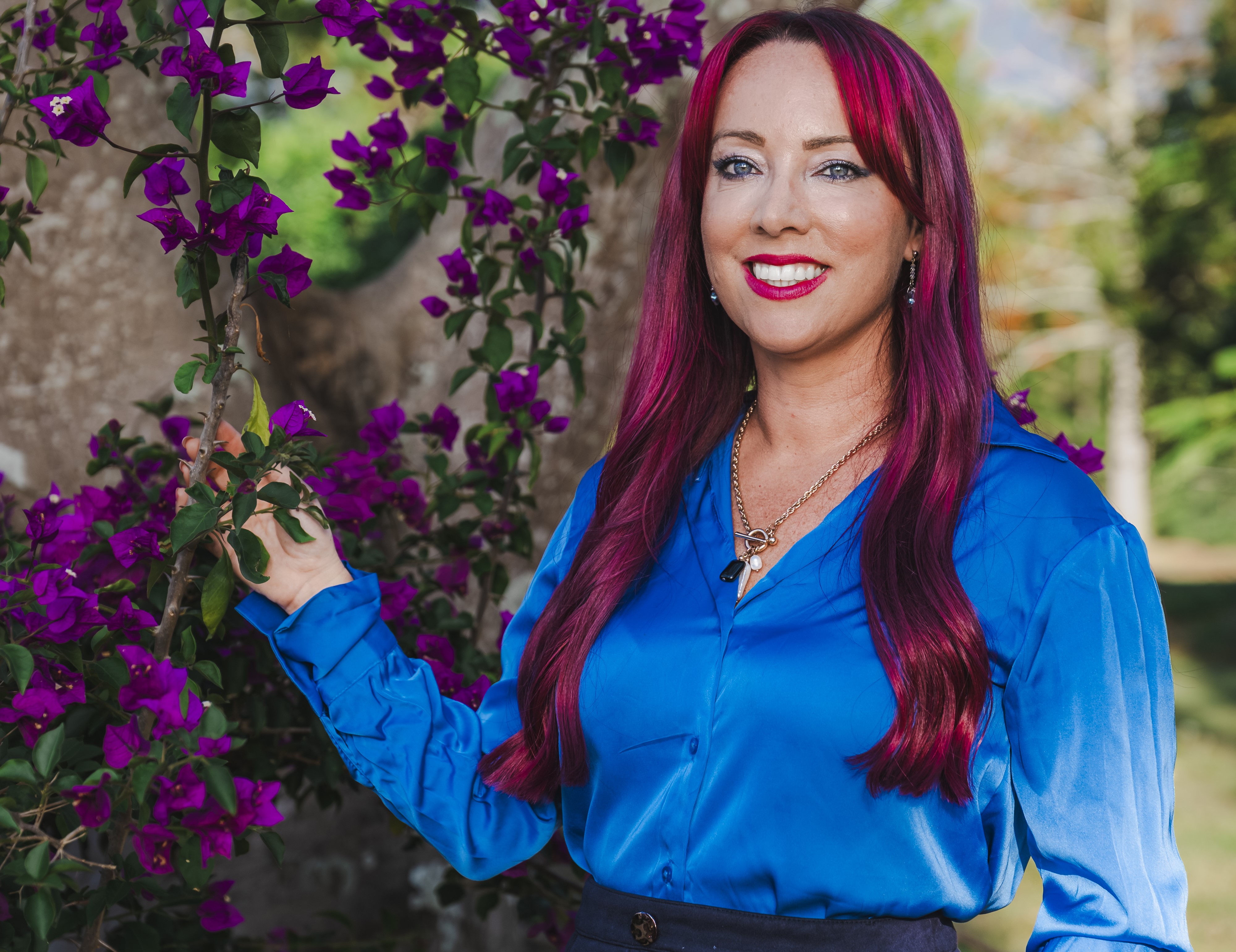
Author & Speaker
Jas Rawlinson is an award-winning speaker, best-selling author and coach who helps survivors and changemakers to become the author of their own life. She is also a passionate domestic violence prevention advocate, and the creator of the Red Flags 101 program, which supports workplaces, schools, and communities to recognise the warning signs of emotional abuse.
With a background in journalism, psychology, and advocacy, she has impacted hundreds of thousands of lives worldwide, and has been endorsed by names including Lifeline, Serco, Women's Legal Service and America's National Centre on Sexual Exploitation. Her expertise has taken her from investigating illegal brothels to working alongside anti-trafficking teams in Southeast Asia, and she's even swum with sharks on reality TV!
In Jas' own words, "Trauma does not have to be a life sentence. Own your story—all of it. Because when you share it with others, you don't just heal yourself, you change the world one story at a time."


