Parental Estrangement & Elder Care with Amy Friesen I Ep. 119


When parents age, society often assumes adult children should automatically step in and provide care. But what happens when the parent needing help is also the person who caused years of emotional harm, manipulation, or trauma?
In this episode of the 1 in 3 Podcast, Ingrid sits down with elder care educator and advocate Amy Friesen to unpack the complicated reality of parental estrangement, caregiving boundaries, and healing from toxic family dynamics.
Amy shares both professional insight and lived experience as the conversation explores:
- Estrangement and aging parents
- Caregiving boundaries in toxic families
- Complex PTSD and chronic stress
- The emotional weight adult daughters and sons carry
- “Revoked role grief” and mourning the parent-child relationship you deserved
- Why family pressure can feel overwhelming
- How millennials are changing conversations around family trauma
- Healing through journaling, boundaries, and support systems
- Planning responsibly while protecting your peace
Amy also introduces a practical caregiving framework built around three options: full access, limited access, and no access — helping listeners understand that caregiving decisions are not one-size-fits-all.
If you’ve ever wrestled with questions like:
“What do I owe my parents?”
“Can I care about someone and still need distance?”
“How do I protect my mental health while planning for aging parents?”
…this episode is for you.
Subscribe, leave a review, and share this episode with someone navigating complicated family relationships or elder care decisions.
Amy’s Links:
https://www.1in3podcast.com/guests/amy-friesen/
https://www.instagram.com/lifeinthesandwich/
https://www.youtube.com/@amy.friesen
https://www.linkedin.com/in/meetamyfriesen/
1 in 3 is intended for mature audiences. Episodes contain explicit content and may be triggering to some.
If you are in the United States and need help right now, call the national domestic violence hotline at 800-799-7233 or text the word “start” to 88788.
Contact 1 in 3:
- Send your emails to 1in3podcast@gmail.com
- Follow on Facebook, Instagram, and TikTok @1in3podcast
- Check out the website https://www.1in3podcast.com/
Thank you for listening!
Cover art by Laura Swift Dahlke
Music by Tim Crowe
00:00 - Welcome And Why This Matters
01:33 - Meet Amy And Her Work
02:47 - How Elder Care Reveals Family Truths
04:48 - The Gray Zone Of Obligation
07:38 - Naming Revoked Role Grief
09:53 - When No Contact Becomes Clear
16:50 - Losing More Than One Relationship
23:00 - Millennials And The Mental Health Shift
27:55 - Writing To Heal After Gaslighting
38:45 - Tools Courses And Where To Find Amy
43:35 - You Are Not Alone Closing
Welcome And Why This Matters
SPEAKER_01
Hi Warriors, welcome to One in Three. I'm your host, Ingrid. Most of the conversations on this podcast center around intimate partner violence. But we all know domestic violence does not just involve romantic partners. It can also exist between parent-child relationships. One aspect of that dynamic I haven't fully explored yet is what happens when those children grow into adults. Joining me today is Amy, who shares her personal experience with parental estrangement and the complicated pressures that can come with caring for those aging parents. Here's Amy. Hi, Amy. Thank you for joining me, and welcome to One in Three. Hey Ingrid, thanks for having me. Okay, we have an interesting take, I think, on today's episode. One that I haven't covered before, but one that definitely needs to be covered. But before we get into all of that, could you just share a little bit about yourself professionally, personally, whatever you feel comfortable with, just so that listeners can get to know you some?
SPEAKER_00
Sure. Yeah. Um, so I, I mean, where do you start, right? So I do a little bit of everything. I'm a business owner. Um I
Meet Amy And Her Work
SPEAKER_00
in personal life, I have, you know, my small family, and you know, I've dealt with estrangement, I've dealt with um, I'm divorced, so I've dealt with um some abuse in that situation. Um, and really just trying to navigate um because of what I do for work, I work in elder care, and I'm trying to navigate blending my experiences because that kind of makes the best education. I educate people for a living about how to um be in an in a you know a no contact or estrangement from family, specifically aging parents, and in that caregiving role, and should you come into a caregiving role, and kind of all the things in between, because it's not one size fits all, it's not yes or no, it's very gray zone. And so I educate people in that gray zone.
SPEAKER_01
How did you choose to get into elder care?
SPEAKER_00
I have been in elder care for 21 years, and so I really just came out of school and I was in my I did my marketing degree and then I did my psychology degree, and like the last course in psychology was psychology of aging. And so I just kind of found that then. And then I spent 10 years in retirement living in marketing. Um,
How Elder Care Reveals Family Truths
SPEAKER_00
and I just really wanted to help in the community. What you see when you come to a retirement home, uh, like the the person doing the marketing, is much different than what I see in the community and all the extra things and really family dynamics and caregiving are hand in hand. And um, for a long time in my career, we addressed the whole spectrum of it, but most of our clients were in this we can have conversations, we can get things moving situation. And then we had a number of people that couldn't get anywhere, they didn't know what to do, there's shut down conversations and all sorts of stuff. And a lot of the advice earlier was, you know, you're gonna have to wait for a crisis to be able to do anything, which is still kind of the advice. But then when I estranged from my family and I knew what that took, and I kind of did a lot of self-reflection and I looked into all of my background, um, I really felt like I could add my elder care expertise, but also with my personal background to say, you know, I know what that takes, I know what the emotions are involved, and I know the healthcare system and how elder care works. And so let's talk about all of this stuff because so many people were coming to me and considering whether, you know, I've been estranged for, you know, X amount of years, or we barely talk, and now I have to like care for my parent, and there's so much guilt and grief and um resentment. Um, and so I just teach people how to like look inwards first, figure out your stuff, and then go from that point as opposed to crisis, chaos, guilt trips, all the stuff.
SPEAKER_01
Yeah, and that's that's a point of view that I think and it's my fault. This is my podcast, but I tend to overlook, I get very focused in on the intimate partner violence portion of domestic violence. But there is the parent-to-child abuse that can occur or neglect or you know,
The Gray Zone Of Obligation
SPEAKER_01
whatever the dynamics may be. And even when I that is a focus, when we and when I am focusing on children, it's it's the child. It's not necessarily the adult child. And obviously, at some point, most adults come into that point in their lives where they then feel obligated or in in healthy dynamics, they want to take care of their aging parents. So this is this is definitely kind of a sticky situation of, especially with your experience in estrangement in how to proceed. What do you feel that you need to do? And how do you keep healthy boundaries while still also fulfilling what you feel you need to do as a child?
SPEAKER_00
Yeah, it's very, very complicated. The emotions are erased like they are, you know, in healthy family dynamics, but the emotions are different. You know, it's more like I don't want to see my parent aging. So I might not have those conversations of elder care and I might not do stuff. I don't want to look at that. I don't want to think about death. You know, everybody equates elder care and retirement living and long-term care with death. And it's not like elder care can be decades long, right? Like you're you're planning out many, many things. And so there's all that kind of wrapped in there. And then when you get like I kind of have like a three zone, right? It's like you've got full care, you're able to have those conversations. You get into the limited care where it's really difficult. You're still hanging on, you're still trying to make it work. The family dynamics are tough. Um, and so like it's frustration and like going around in circles nonstop. And then you get into like the no-care access, where it's like sort of like me, where it's like I don't have access. And so, um, you know, do how do I operate from there? Um, and you know, a lot of the emotions in that are more like grief. Um guilt is still there. I would say guilt is kind of more in the middle a little bit more, because once you're kind of in the estranged zone or no contact zone, a lot of that guilt um has lifted a little bit for me anyway, because I'm used to being gaslit and stuff like that. So, like when you're in that zone, once you can clear it and step out of it, it's more grief in that zone and thinking about like, I would have been there and now I can't be there. Um, so when I I I've been writing a book and I just recently started calling it revoked role grief, where it's like, I was gonna be there, I have the expertise to do it. I'm like completely capable of doing it, but my role was revoked because of the situation. And the grief
Naming Revoked Role Grief
SPEAKER_00
around that is different than the other grief that I was dealing with before. Like there's, you know, they talk about disenfranchised grief and stuff like that, right? And it's like where there's like no ending and like nobody is like acknowledging that you're even dealing with anything because there's no funeral, there's no casseroles. And so with the revoked role grief, it's really in the fact that like I can't be there because the dynamics won't let me, even though I'm very empathetic, even though I very much would have wanted to help my parents. So the people that I help, there's a lot of people in that zone where they had to save themselves, but now they're like, do I step in?
SPEAKER_01
Yeah, and what a what an interesting take revokes role grief, because it's almost that there's still that power dynamic, not necessarily where there is an individual who is purposely lording control over you, but you that revoked part, you're losing that portion of control. So even though somebody may not be actively taking that away from you, you still have that loss of power, more or less.
SPEAKER_00
And it's it's loss, it's identity, right? It's like I would have been the child that was a caregiver to my parents. Things anything can change. But that's kind of where you're at at the moment, that's where I'm at at the moment. And it's like that thought process, and it just estrangement has so many layers of grief in it that like they all start to blend again together. And I would just really felt like that was so different. Like it's just become I think it's because I work in elder care, right? And it's just that other piece that I haven't heard anybody talk about, and it and it's all these caregivers and and adult women, adult children, uh, a lot of that would really, really wanted to be there, but just can't. They can't have access or they can't step in because it's not safe and it just carries its own grief.
SPEAKER_01
Can we talk about estrangement a little bit? Because healthy boundary setting is something that I do talk about frequently, and you need to be able to set healthy boundaries in all aspects of your life: work, friends, family, intimate partners. And I think it's more difficult for people to understand there's the societal pressures,
When No Contact Becomes Clear
SPEAKER_01
there's the familial pressures, all these pressures to as a child continue a uh try to continue what you are putting into a healthy relationship, but it's not healthy coming from the parent. So, where how do you make that determination of I've done what I can, I need to look at myself and I need to step away.
SPEAKER_00
For me, it was really the round and round of the conversations. Um, we, you know, it's it going to be estrange is not just like, oh, I'm done. Like it's not a one and done situation. It's really like a million tiny cuts, right? And so it, it's it, that's why people don't see it. That's why like outside society, friends, things like that, they don't see it because a lot of it uh is behind the doors, like even in like specifically narcissistic family systems, it's all behind the doors. Nobody sees it, nobody knew. And so, you know, you're really trying to navigate that all the time. And then as like sometimes there's um what I call like kind of like bursts, right? Like something really heated happens, right? Um, and so you're trying to navigate that as well. And so it just finally gets to a point where you kind of have some clarity around it. It's not, it's not a great point, like no contact sucks, to be honest, but it's not a great point that you get to and you're like, I can't fix this. Like, I've tried to fix this, I've done all these things, I've communicated in all these ways, and I'm gonna have to take a step back. And it just for me was just a clarity situation where it's just like uh my family just kind of kept coming at me. I was I'm the scapegoat in our family. And so when you're gaslit all your life and they just keep blaming you for everything, and you realize that as a human being, like I know who I am. And so, um, and I also have a young child, and so there's also that generational trauma of breaking that as well. Um, I think that she helped me see clearer because my like the way that I was acting, not necessarily on purpose, but like in reaction to a lot of stuff, was definitely affecting her. And so even though I didn't have that clarity at that point, when I stepped out within months, our situation here just calmed right down. And so that's the extra clarity you get, right? Like she uh some of the things I've looked up, which was interesting, is like um how this stuff kind of affects asthma, right? And so she had asthma for a while. And then when I stepped out of the family dynamic, her asthma went away because our relationship kind of mended in a different way. Immediately, my anxiety disappeared. I've been on anxiety meds for all of my adult life, and I literally just stopped taking them cold. My digestion improved, all that stuff. And so, you know, there was a little bit of clarity before, and there's a lot of clarity after, right? So it's like more of a like you just have to trust yourself and make that leap. Um and once you start kind of like I did a lot of research because you tend to be in your head a lot, you're people pleasing, you're trying to rework conversations and whatnot. And once you start looking into it and you kind of have that thought process, it starts to become clearer and clearer of the dynamic that you're in. And then I always say once you see it, you can't unsee it. Right. Like it's like once you are like looking at that dynamic, it's it is a bit easier to kind of step back and it's like, I don't want it to be in that.
SPEAKER_01
Well, and I'm glad you brought up the physical aspects because they're I mean, any kind of anxiety, stress, abuse that you are experiencing, it definitely does have an impact on your physical well-being. Um, and so did you find yourself? I know you said this took a long time, but did you find yourself kind of mini estrangement and then going back? Not at all.
SPEAKER_00
It was just all clarity and you were. Um, and until my daughter was born. And then I really, you know, I really felt like they would be good grandparents. They were fine grandparents, right? So it's like um I thought that we could mend it through that relationship. And it worked for a while, but when the underlining situation is so um tumultuous, I just I just found that like I thought we could fix it with that. It was okay for a while. It wasn't great. And the thing is, is that the patterns are the patterns. And so once you start seeing the patterns, right? Like you just like they don't change. People don't change that easily unless they want it and they didn't want it. So um we just kind of ended up in the situation where it was just like, you know what, enough's enough. I can't, I can't do this anymore.
SPEAKER_01
Have you found uh with seeing other adult children being estranged from their parents, have you seen that it's a full family estrangement or are you able to estrange from just one individual in the family?
SPEAKER_00
There's there's mixtures. There's
Losing More Than One Relationship
SPEAKER_00
a lot of people that have siblings that they can still um that are still good for relationships. There's sometimes one parent or another, and a lot of that it's been if there was like a divorce. There's been whatnot. Like I've got friends in the same situation where they've estranged from their dad, but not their mom. Um, you know, I have other, like multiple family members in my family that have estranged from their parents, like cousins and stuff like that. So it's like it's a it's a when you talk about generational, right? Like it's a family thing, right? It's it's coming down the line, which is interesting to me because I have a psych background as well. So it's very interesting in that way. Um, but they've had they still have relationships with their siblings. I unfortunately have no relationship with any of them. So um, and even like, you know, I tried to keep a relationship with my father, but it just wasn't gonna work because of the environment that he was in, right? And it's just some things are really out of your hands, and that comes with a lot of grief too, because you hold on for so long because you want the relationship and you never wanted to do it in the first place. And then you just get to a point where you there's nothing else you can do.
SPEAKER_01
Right. Because all you're hoping for is just that that healthy dynamic, that person you want them to be. And I think that's that part is relatable to the intimate partner violence, is that you're just hoping that partner becomes this person that you you like get a glimpse of what they can be, and that's what you want them to be. So I there's a lot of grief then because you're you may not just be losing that one person, you can be losing multiple people.
SPEAKER_00
Yeah. All on one foul swoop, they're all gone, right? And it my for me, it was more gradual. Like my sibling went first and then my mother, then my father, right? Like I held on because my father also understands this dynamic. He estranged from his mom, which was extra painful for me because he knows it, he understands it, but that's what trauma bonding does, right? Like that's that's what happens when you've been in these relationships for 70 plus years. Like that's that's what the you know trauma bonding is, is that you just like that's all you know. Um, so that was extra hard to let go of. Like, because I had so much more empathy for him because he'd been in similar scenarios. Um but it just like it, you just can't. It just gets to a point. So it's like it wasn't it was one foul swoop in terms of like everybody, but stepped, like it was staged out a little bit. So, um, but then you know, uh, you get to a point where he's just a delivery person for my mother's messages, and then I just can't, I can't, uh, I can't do that anymore.
SPEAKER_01
Do you do you also experience some grief for your daughter? Or is that just something that you know that this is an unhealthy dynamic that she doesn't you'd rather protect her from and she doesn't need to be exposed to it? Or is there a grief of not knowing her grandparents?
SPEAKER_00
Um, so the reason that I tried for this relationship again when she was born is that I had a grandmother, my nanny, um, for the first 15 years of my life, which was just not long enough, right? So I really wanted that for my daughter. And like I said, it's not that they were bad grandparents, it's that the choices as we started getting further out, like as she started getting older and our cousin started getting older, and the relationship between my sibling and I kind of broke down. Um I could start seeing those patterns repeat, right? The choosing of the other sibling, the choosing of the other granddaughter. And so that that's one of the reasons as well. Because I tried for a relationship with them too. Like I stepped out and I had my husband manage it. And just like, if they want to talk, that's fine. Like I never, I never took it. Um, I really tried to keep it. But then what happened was um my efforts were never good enough, right? And so everything was being blamed on me. Like, oh, she didn't want to talk to me today. It's your fault, right? And it's like, why aren't you making this work? It's your fault. And then, like, I got a letter at one point. It's like, well, I'll just wait until you do everything, and then um, you know, and if you want a relationship, then you get back in touch with me for her. And it's like they just like she just gave up, right? And it's like, you know, I can't put the effort forward if I'm not going to communicate with you. That like you have to carry the relationship, and you can't blame me for it. So there is guilt. Um, there's a there's a bit of guilt. I don't think it's a lot. There's more grief to your point about her not having that because they also she doesn't also have the grandparents on the other side because they're both deceased. And so it really sucks. Um, but and she's really young, and so like there's some explanation around, but to be honest, based on how I'm seeing this play out in her young life, I think she could probably feel it too. She's very, she's highly empathetic, like I am, and I think she just could feel those vibes of what was happening, and she's seen me improve. And like that's just in the environment, right? Like, we're not bad mouthing anybody, we're not talking about it really. Like, I will be available. We have like I check in with her. She seems to be okay. I think, you know, as she gets older, there'll be more questions, which is fair. Um, but like for now, and you know, she's got an aunt that's stepped up, really like really stepped up, which is amazing. Um, and so she's okay with that at the moment. So I guess we'll have to see how that plays out.
SPEAKER_01
Now, this question might be a little bit out of your realm, but since you have that psych background and that interest in it, do you do you have any idea why you think there are so many millennials that are becoming estranged from their parents? And I ask that just because I I'm Gen X, but I think Gen X and
Millennials And The Mental Health Shift
SPEAKER_01
millennials have we can both have boomer parents. And I feel like there's a difference between Gen X and Millennials, not saying one is better than the other, but almost that, like for my generation, it's well, whatever. Suck it up, suck it up, buttercup. I mean, we just we were taught that we just have to deal with things. So, do you think there's something specific that the millennials have come across that we have not discussed?
SPEAKER_00
I mean, I literally just had this conversation the other day with a friend who's Gen X, right? And it's like, I think that it's just that um it's not that we weren't taught to suck it up. I I'm considered a geriatric millennial. So like I'm an older millennial. I love that for me. Um, but like, so we're close in that, right? And it's like, I think what's happening is that the young that so younger than millennials, the mental health um initiatives that they're taking and um the requirements of like not putting up with stuff or whatever, I feel like maybe that's maybe influencing the millennials a little bit. But also like we're doing a lot of self-help too. Like I'm gonna be 45, right? So it's like I we're have we're having kids a little later, we're seeing how those dynamics lay out. Um we're working, you know, there's two people working in the household a lot of the time. Um, and we're just there's just not enough time to put up with all the crap, right? Like it's just like it's not like I don't feel like anybody really wants to estrange. It's not something like we're like, oh, I can't wait to do that. It's terrible. But I just think that in general, I think people are fed up. And because we're able to put more emphasis on our mental health, and because um there's more resources and communication around it so that you can understand what's happening, happening to you, I think that helps. Like when I um first kind of started wondering if this is something I should do, I dug into narcissistic family systems and all that stuff. And the one thing that I walked away with immediately was, oh my God, I'm not crazy. Like if you're gaslit for 40 plus years, you're that was some of the realization. And I think that once you see that stuff and once you realize like, sure, we all uh contribute to that relationship, but you know, in child psych, right, it's the parent's role to maintain and fix relationships. It's not the child's role, regardless if I'm an adult, it's the parent's role. And so with all that background and with all that knowledge and the research and stuff, and just starting to see people, even accounts on Instagram and different things like that, that are talking about it, I just felt less crazy. I just felt like, oh my God, actually, people are saying what I'm thinking. But before I looked into it, I felt really alone. It was super isolating. So I think that the social media in that way has helped because you're able to kind of like other people are experiencing this. And often it's not like really in your backyard. There's not a ton of people in your backyard that are are experiencing it unless you're really, really in tune and you have like a lot of um social network and stuff. I I don't. Um, and so when people, when I started coming across it, um, I really, it really helped to know that like I wasn't crazy, I'm not the only one, which is also why I'm writing my book, because it's like any extra information out there, it's not meant to say, oh, your parents are terrible and all that stuff. It's meant to say, hey, if you think this is the situation that you're in, like have a read of this information. And if it matches, it matches. Like it's not like you're making it up. It's just that you didn't have an outlet for it before.
SPEAKER_01
Yeah, I think you're spot on. I think that each generation is learning more about mental health. They're recognizing the importance of it, and it's more of an okay thing. It's not seen as a weakness anymore to go to therapy or to talk to people about your emotions. So let's let's uh to the same effect of the social media, everybody talking about it, it does give a lot of people a chance to identify with others and release some shame, release some guilt that shouldn't be theirs to carry in the first place. But so let's talk a little bit more about your book. What so you part of the reason is because you wanted others to hear your story, hear what your thoughts are and to identify. Is there anything else that pushed you into this is I need to write this book?
SPEAKER_00
You know, when I was going through the first year of this, I'm not so I I have dyslexia,
Writing To Heal After Gaslighting
SPEAKER_00
and so I'm not a journaler, I don't read a lot. I don't like I wrote a book for my like my other book is out, which surprised me that I even wrote. I never expected to write books, right? And so I the way I explain information is different than people, other people. Like I'm doing a bite-size, I do it differently because of the way that I think. And so I've already seen that help people in my elder care space. I've already seen my resources in there that help. And so I kept a journal for myself for the first year to be able to go back again. Because when I started, I honestly felt like I was half crazy. And so I was like, I'm just gonna write down what's happening for whatever purpose I use it for later. Whatever, like if I use it at all, fine. If I don't, cool. Um, and so I just kind of wrote down what was happening. And um when I wrote the first, I think I wrote like a good 20 to 30 uh thousand words, it was so angry. It was so angry. And um, and then I kept healing, right? So I I purposely am healing and doing things to move through and documenting it because I also have a bit of a memory issue now because the trauma came at me so fast, and then perimetopause is kind of you know super fun, um, all of it together. And so I'm like, I'm gonna write it down because the other thing is with gaslighting, is they just say, like, you're wrong, that didn't happen. And you're like, wait a minute, it did happen. And so I wrote it down for my own purposes. Um, and so I started writing the book because I was like, it's a memoir style, um, more just to kind of tell the story. I read a book, uh, I actually got through a book from somebody else. And I felt like they told the story of their estrangement, and it was good in that way, and it helped me kind of get to another level, but I felt like I outgrew that book really, really quickly. And that's just because of the way that I operate. Because there was no, like, I tried this or I did that or whatever. It was just very memoir-based, and that I like to learn as I go. And so I was like, I am gonna write a book that's like teaching people what I did so that they have something to look into. Because if you're unfamiliar, you might not know what tapping is or like EFT or whatever, right? And so you might not know. Um, and then there's also the extra piece at the end of like how it hooks into what I actually do for elder care and how those dynamics and stuff hook together. And so that's the that's the purpose. I'm still writing it. Um, but I started again because as I healed, and then I reread, like you reread your copy, right? And so it's like multiple chapters, and I was I'm not even writing them in order because it's just like, what did I feel like writing that day? And I just wrote it, but I reread it and I was like, I don't feel like that at all anymore because you move past the anger eventually. And so I scrapped the whole thing and I re-started rewriting it. And so that's why I'm doing it is just like to show people actively like, here's what happened, but we're not living here, we're not gonna stay here, we're gonna move through it. This is what I did, this is how it showed up, this is how it affected my kid, this is all the stuff that's happening. And this is why I talk about it mixed with elder care, because of all this other stuff that's happening. And that's where the revoked role grief came in as well. It's like, oh wait, there is actually something, there's another piece of grief there that I haven't seen named. So I'm gonna name it so that people have a more identified experience with that too.
SPEAKER_01
I I love that whole process of you're writing the book because I'm not a journal writer either. I've purchased since my teenage years many journals, and I might have like a day or two or something, and then I just get bored with it. But I've I've found different ways where it's somewhat journaling. And I think that is so helpful because, like you said, when you're gaslit for so long, you start to gaslight yourself and question well, did that really happen even years ago? Did I maybe exaggerate? And journaling is so good because it helps you remember the process. Um, and I I I hear you on the perimenopause. That is some crazy stuff. That's like five more podcast episodes just on that topic alone. Um, but it helps with the memory, it helps you recall what actually happened. It and then to see the process, it's this the stages of grief, right? There's the denial, there's the anger, there's the bargaining, all these things can happen, even if you haven't experienced like the a death or a loss that's that that's that significant, but this is also a significant loss. It's a loss of of so many things. There's a loss of yourself who you identified with as, you know, I'm I'm a daughter. This is what I'm supposed to do, and these are my roles. And so I love I love that whole journaling process. And I think that a lot of people would be able to identify with that. When is your book expected? When are you expecting to?
SPEAKER_00
Um, I'm I don't know yet. I'm just finishing. Um, so I've done taken on different modalities as I've I've been healing, um, as like as um basic as like Ricky, right? Like or something like that energy movement and stuff like that. Um, and so I'm going through like a neurologist type situation for my brain waves right now because my lows are really low and my highs are really high. And it's like really not good. But that that's what happens when you've been in chronic stress, right? That's why they that's why it's called complex PTSD, right? It's just constant. And so I am waiting, the book's like just about written uh in full as it is, but there's a couple of other healing things that I'm doing that the book's on hold as I do that. And so it depends on how long it takes me to get through it. Um, but the book is relatively finished, it's just that those extra little pieces because I really um I want people, you know, if they are gonna read it to to get something, to get direction. It's it's it is something to see, you know, your experience in somebody else's words and say, oh, that that's me. She's got it. And like you didn't think anybody else ever felt that ever. And then it's also the extra value of like, well, what did she do? How did she get through it? Right. And so um, I've just put a lot of uh weight on that healing journey to make sure that I'm actually actively doing stuff to get through it because at the end of the day, I just decided I'm not living here, I'm not living in this headspace. If I was gonna do it, I might as well have stayed, right? Like it's like that's the headspace I was living in. And I just really wasn't healthy. And interestingly enough, too, um, not book, not about the book, but um after I left, like I said, I um my digestion and my anxiety and all the stuff just started to heal. Um, all these things that were just like plaguing me for years. Um, and uh interestingly, um, I've actually in the last year been like pre-cancerous at one point, and then also I had like a skin cancer situation as well. And it's like your body is like finally being able to release the stuff of whatever it's been holding on, which is scary. Nobody wants to deal with it, but like interesting too that your my body, I can tell my nervous system's regulating because things are starting to come out that I can take care of now. So those are all the types of things that you learn on this journey if you do the hard work, because it really is hard work.
SPEAKER_01
Yeah, and I think that's so cool that you're including your experience with the whole healing portion. And it is it's a healing journey. I feel where I am today is leap years ahead of where I was, and but it was hard, and I'm not done. I don't think anyone ever like you said, it's complex. The the the trauma to get you there was complex, the healing part is also going to be complex, all of it is very complex. I don't know, there's always going to be scars, right? Like there, you can't scars don't go away.
SPEAKER_00
So you also have triggers too, yes, right? Yes, constantly. Like you can deal with them, you can get less, but like I got triggered the other day, right? And it's just like the difference is is that I know it and I know why it's happening, not just like operating in life going nuts, right? Like it's um you know, to your point, too. Like with so when I divorced my ex-husband as well, you to your point, you're you are healing constantly, but at that point in my life, I divorced him when I was 28. And he was in that realm, right, of narcissism as well, um, generally speaking. And like I lost a whole social network, I lost all my stuff there, and it was painful. And I think that's also why I'm just like, I'm not staying here because it's a very similar dynamic. And I remember for five to seven years still grieving all of the friend group that just dropped me, right? And so it's like, I'm not gonna do that this time. And this is like the second part of me kind of becoming who I am at this point, because it's like all these extra ties on you, and then you're like, no, that doesn't work for me anymore. You outgrew it, you moved on, you've you know, you trust yourself and um you kind of move away from that. But there's always gonna be triggers, there's always gonna be things like that. I have friends that are dealing with similar situations, but they're not dealing with their triggers and they're not dealing with their healing. And so I've had to step away from people like that because it's just like they get triggered for something I say or do, and instead of me, instead of having a conversation, and I'm I'm very, very much like, let's just air it out. Um, it's very shut down. It's very like you did this, and it's like that's a pattern in my life. So it's like I can just step away easily now.
SPEAKER_01
Yeah, it's I wish I could have this conversation with 20-year-old me and I can be this person. You too. Wait back then. My goodness. Um, okay, so you touched on a few things that you were doing um before, but could you just talk about everything that you have going on? You have a lot going on and a lot to offer people.
SPEAKER_00
Sure. Yeah. So um I'm about to start my new podcast again. I've done podcasts before with with um other people, but again, I'm a new person at this point. So um because I want I'm still uh expanding our resources. So um I I run a company in, I'm in Ottawa,
Tools Courses And Where To Find Amy
SPEAKER_00
Canada. And so I run a company um here to help with elder care planning um called TNTOS. And we're really helping with all the people that can have conversations and and navigating moves and stuff like that. And then I run a Canadian membership company um called Elder Care Planners of Canada, which is you know an assortment of elder care planners across the country so that we can help people that are in this situation. And then while that's all running, um, I'm also running kind of like an Amy Friesen brand specifically, where I'm developing a course right now to help with these difficult dynamics. And like I said, the full limited and no-care access and how to deal with that and how to regulate yourself. And um I have a methodology called Roots to help people walk through that because I think that there's just not enough information out there. And as we get into elder care, and as more and more people are in this ball game, that means that more and more seniors are going to need different types of help. Um, and so what's that gonna look like, right? Like that's you know, I've been developing this industry for so long, I can just have this vision now with this extra lens on it. And it's like that's gonna be a mess later. And it's it's no fault of the people estranging. I just want to make sure that I'm clear. It's not that, it's just that the combination of it is gonna be a mess. And so I help people through that stuff so that they can decide what to do. And if they're not gonna do it, what are the other options and things like that? Because you don't have to do everything, and there's different things that we can put into place, like different family members or uh retirement living or long-term care, whatever that is, right? And so there's different ways to plan for that. Um, so I'm doing a lot of work in that zone as well.
SPEAKER_01
Okay, and how how do people find out more? Follow along, get your book, look at you for coaching services, all of that.
SPEAKER_00
Yeah, so amyfreesen.com has links to everything. Um, if you're interested in the book, then I'd say put in uh for our newsletter, because that's it's at the bottom of the screen there. So um if you do that, then you'll get notified for it. But my other book um called Breadcrumbs is also there, which is leaning towards more of the elder care retirement living industry, people who can have conversations, um, the families that are not as dynamic as as others. Um and then the courses are gonna be there as well. So everything's everything's there.
SPEAKER_01
Okay, before I ask my next question, I these names are so cute. Tea and toast and breadcrumbs. Where do they come from? Where did those come from?
SPEAKER_00
Oh well, tea and toast is a double meeting. So tea and toast is like worm and cushy for the senior eating it. It's an easy meal, and it's a red flag for the adult child that's like mom just ate that every day this week for every meal. So that's that's why that is kind of in that zone. So that it's sort of like if you know your no, otherwise you have no idea what I do. But right, it worked out all right, and breadcrumbs I name because of that, just to like um kind of play on it. But also the fact that when we see people, mostly they're coming with this little bucket of breadcrumbs. They have no idea how to attach things, how to like make systems work together and like when to make decisions. And so they've got these like scattered pieces, and so as elder care planners, we kind of suck them in together and it's like here's the plan. Um, and so we organize it.
SPEAKER_01
That is so creative. I love that. Okay, so before we close, is there anything that you wanted to talk about that we missed?
SPEAKER_00
Um, not specifically. I think that I just want to, you know, people to understand, probably same as you is you're not alone, right? There's a lot of people out there dealing with this stuff. And for me, they're they're dealing with the um no contact or low contact and like aging parents and what that looks like. It's really interesting how you once you start talking about it, people then can see you kind of as that beacon, right? And then all these other extra conversations come out, and there's so many people dealing with the same stuff, and so it can feel really isolating. Um, also, if you're from that type of family dynamic, you're probably pretty isolated as it is, right? And so it feels isolating, but there's so much support out there, and there's so many people talking about it. It's just a matter of doing that research and like proving to yourself that you can trust yourself and then looking for it. Beautiful.
SPEAKER_01
Well, thank you so much, Amy, for all of your work for joining me today and all of your ongoing work. I'm looking forward to your book. I think that's going to be incredibly helpful and your podcast. Thank you. Thanks so much for having me on. Thank you again, Amy, for joining me today. And
You Are Not Alone Closing
SPEAKER_01
thank you, Warriors, for listening. I've included the links Amy was referring to as well as her one in three profile in the show notes. I will be back next week with another episode for you. Until then, stay strong. And wherever you are in your journey, always remember you are not alone. Find more information, register as a guest, or leave a review by going to the website one and threepodcast.com. That's the number one the number three podcast.com. Follow one in three on Instagram, Facebook, and Twitter at one and three podcasts. To help me out, please remember to rate review and subscribe. One and three is a.5 Pinoy production. Music written and performed by Tim Crow.
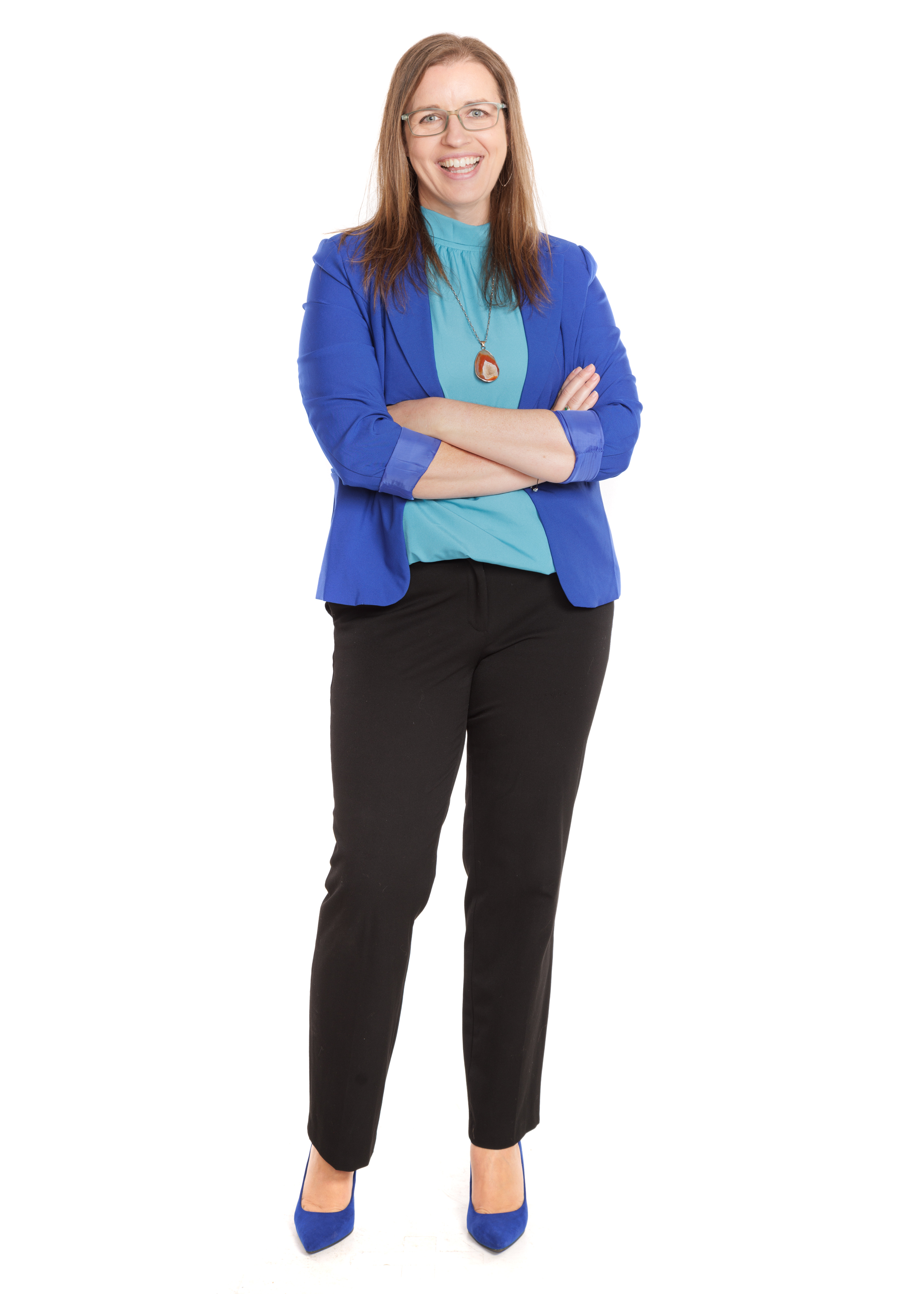
Eldercare Strategist
Amy Friesen is an award-winning entrepreneur, innovator, and best-selling author redefining how Canadians navigate aging, caregiving, and family dynamics. She is the founder of Tea & Toast - named Top Assisted Living Navigation Service in Canada in 2025 - and the creator of Eldercare Planners of Canada.
Amy’s work explores both the practical and emotional realities of eldercare, including difficult family conversations, boundary setting, and estrangement. Through speaking, writing, coaching, and mentoring, she helps families and professionals navigate aging with greater clarity, confidence, and compassion.
Featured in national media and known for her bold ideas, Amy is helping reshape the conversation around caregiving and senior living.


